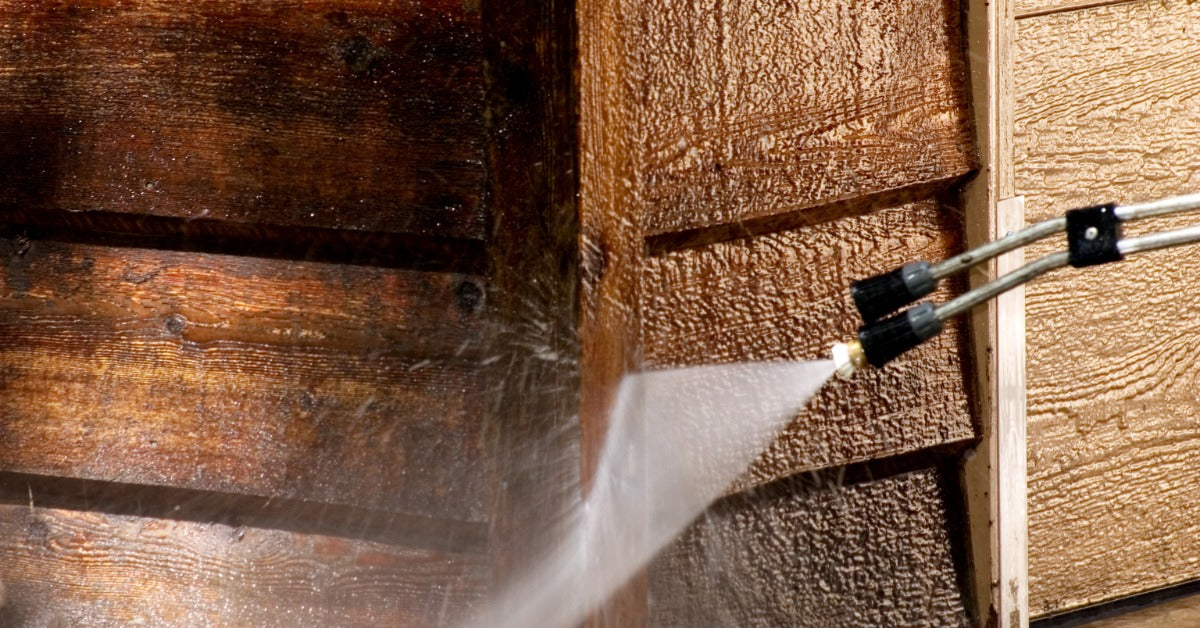
Article: When Is the Best Time of Year to Restain Your Deck?

When Is the Best Time of Year to Restain Your Deck?
Need to restain your deck, but aren't sure when to schedule the project? Timing has a direct effect on how well wood stain penetrates the surface and dries afterward. If temperatures aren't suitable or moisture interferes with the application, your newly stained deck may not turn out as expected.
The best time of year to restain your deck depends on your local climate and the weather conditions during application. Each season has advantages, though some require more preparation than others. Here's a look at the pros and cons of restaining your deck throughout the year so you can decide when to get started.
Restaining Your Deck in Spring

Spring is a popular time for outdoor home improvement projects, particularly after months of winter weather. As temperatures rise, homeowners begin preparing their decks for regular use again.
However, spring weather isn't always cooperative. Although warmer afternoons seem inviting, overnight temperatures and frequent rainfall can complicate staining projects.
Pros of Restaining in Spring:
- Comfortable working temperatures: Many wood stains perform best when temperatures remain within the manufacturer's recommended range. Spring provides opportunities to apply stain without the intense heat associated with summer.
- Preparation for outdoor entertaining: Restaining early in the season gives your deck time to dry before summer activities begin. You'll have the finished surface ready when you want to spend more time outdoors.
- Opportunity to address winter wear: Winter weather can leave the existing finish looking worn. Restaining in spring lets you renew the wood's protection before another season of regular use.
Cons of Restaining in Spring:
- Frequent rainfall: Spring showers can interrupt your plans and leave the wood too damp for staining. Even after rain stops, the deck needs sufficient drying time before you apply a new finish.
- Unpredictable temperatures: A pleasant afternoon doesn't guarantee favorable overnight conditions. If temperatures drop below the stain manufacturer's recommended minimum during curing, the finish may not perform as intended.
Spring staining is an option when the forecast provides an extended period of dry weather. Just don't rush the project because the first warm weekend has finally arrived.
Restaining Your Deck in Summer
Summer offers longer daylight hours and consistently warmer temperatures, making it an attractive season for deck maintenance. With more daylight available, there's additional flexibility for completing larger staining projects.
However, summer heat introduces challenges of its own. The same sunshine that makes outdoor projects appealing can interfere with stain application when the deck becomes excessively hot.
Pros of Restaining in Summer:
- Longer daylight hours: Extended summer days provide more working time before sunset. This is beneficial when you're restaining a large deck that requires several hours of application.
- Fewer prolonged wet periods in some regions: Areas with relatively dry summers provide opportunities to schedule staining without frequent rain interruptions. Less rainfall gives the wood time to dry after cleaning.
- Warmer overnight temperatures: Summer nights generally experience smaller temperature drops than spring nights. This reduces concerns about unexpectedly cold conditions interfering with the stain's curing process.
Cons of Restaining in Summer:
- Excessive surface temperatures: Deck boards exposed to direct sunlight can become considerably hotter than the surrounding air. When wood gets too hot, stain may dry before it penetrates properly, resulting in an uneven finish.
- Direct sunlight during application: Strong sunlight accelerates surface drying and makes maintaining a uniform finish more difficult. Working during cooler morning hours may provide better application conditions.
- Unexpected summer storms: A brief afternoon thunderstorm can interrupt staining and expose unfinished areas to moisture. You'll need to account for local storm patterns when scheduling the project.
Summer staining is entirely possible, but you'll need to account for high temperatures. A dry forecast alone doesn't guarantee suitable conditions if your deck receives intense afternoon sunlight.
Restaining Your Deck in Fall

Fall is frequently one of the most favorable seasons for deck staining. As summer temperatures decline, cooler daytime conditions provide an opportunity to apply stain without excessive heat.
Many homeowners also prefer finishing outdoor maintenance before winter arrives. Restaining during fall allows the wood to enter the colder months with renewed protection against moisture.
Pros of Restaining in Fall:
- Moderate daytime temperatures: Early fall frequently provides temperatures within the recommended application range for exterior wood stains. These conditions allow the finish to penetrate and dry according to the product's instructions.
- Reduced exposure to intense heat: With lower temperatures than midsummer, deck boards are less prone to becoming excessively hot during application. This gives you greater control over maintaining an even finish.
- Protection before winter: Applying a fresh coat of stain before winter provides renewed moisture resistance. This is beneficial for decks exposed to frequent precipitation during the colder months.
Cons of Restaining in Fall:
- Cooler overnight temperatures: As fall progresses, nighttime temperatures can fall below the recommended application range. Even when the afternoon is pleasant, the curing period requires consideration.
- Shorter daylight hours: With sunset arriving earlier, you'll have less working time available. Larger projects may require additional days to complete without rushing the application.
- Morning dew: Cooler nights encourage condensation on outdoor surfaces. Deck boards may remain damp well into the morning, delaying the time you can begin staining.
Early fall is an excellent option in many regions, provided you schedule the project before temperatures become too cold. Waiting until late autumn introduces a greater risk of unfavorable drying conditions.
Restaining Your Deck in Winter
Winter is the least favorable season for outdoor deck staining, particularly in regions that experience freezing temperatures. Cold weather interferes with the application and curing requirements of many exterior wood stains.
However, winter staining isn't automatically impossible everywhere. Homeowners in warmer climates may encounter suitable conditions during certain periods.
Pros of Restaining in Winter:
- Potential opportunities in warmer climates: Regions with mild winters may experience daytime temperatures suitable for staining. If overnight conditions remain within the product's recommended range, the season doesn't automatically prevent application.
- Less competition for outdoor project time: Homeowners who spend less time using their decks during winter may find scheduling maintenance more convenient. This provides an opportunity to complete the project without interrupting regular outdoor activities.
Cons of Restaining in Winter:
- Low temperatures: Many exterior stains require minimum temperatures during application and drying. Cold conditions can interfere with proper curing, leaving the finish vulnerable to premature failure.
- Persistent surface moisture: Snowmelt and winter precipitation can leave wood damp for extended periods. Staining before the boards have dried sufficiently may prevent proper penetration.
- Limited working hours: Short winter days leave less time to complete the application. Cold mornings further restrict your available working window.
Unless you live somewhere with consistently mild winter weather, postponing the project is the better decision. Applying stain outside its recommended conditions can create problems that require additional work to correct.
So, Which Season Is Best?
The best time of year to restain your deck is late spring or early fall, when temperatures are moderate and dry weather provides suitable application conditions. However, you can restain during other seasons if you account for the forecast and follow the stain manufacturer's instructions.
At Timeless Woodcare Products, we sell log home exterior finishes for restaining your deck and protecting other exterior wood surfaces. Browse our high-quality wood stains today and give your outdoor wood the protection it needs throughout the year.