How To Avoid Common Issues With Log Cabin Homes
We all dream of that perfect cabin in the woods, right? The smell of pine, the crackling fire, the peace and quiet. But the reality is that owning a log home isn't always just cozy nights and hot cocoa. Logs are living, breathing things, even after they've been cut and stacked. They move, they settle, and bugs love them just as much as we do. It can feel a bit overwhelming if you aren't ready for it.
But don't worry, because you can handle it. We’re going to walk through exactly how to avoid common issues with log cabin homes so you can spend less time stressing and more time enjoying your porch.
Dealing With Moisture Intrusion
Water is enemy number one for pretty much any house, but for a log home, it’s a whole different level of trouble. When water gets into your logs and stays there, you’re potentially looking at rot, mold, and structural damage down the road. It usually happens because you aren't paying attention to where the rain goes after it hits the roof.
The Fix
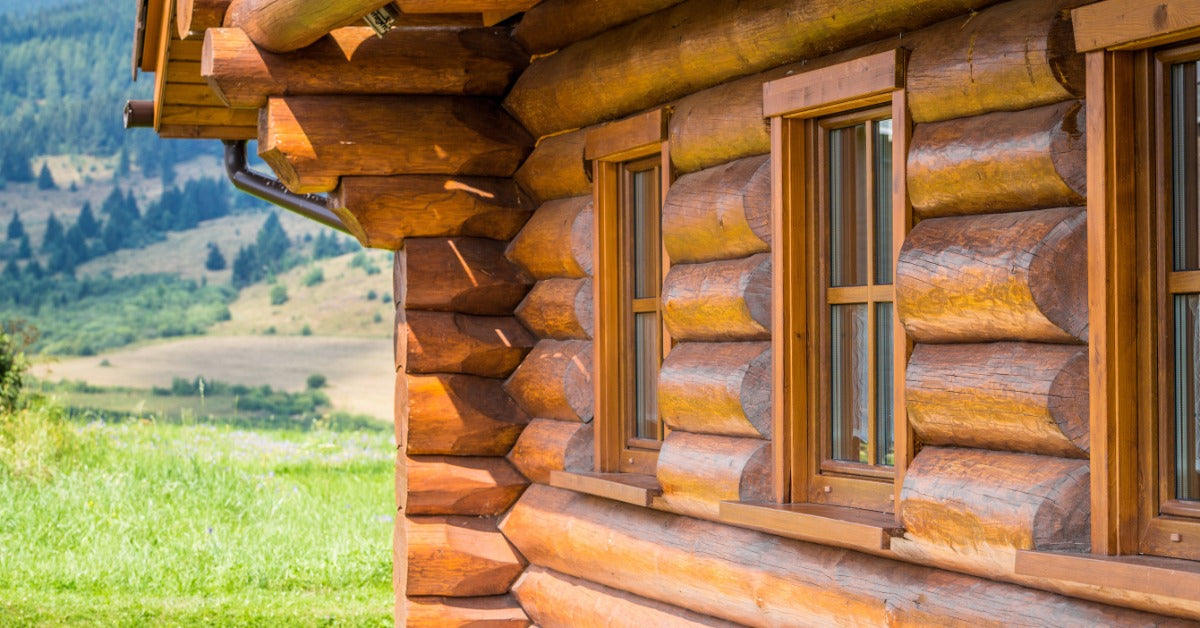
You need big overhangs. If your roof doesn't extend far enough out, rain is just going to splash right back onto your bottom logs.
You also need to keep your gutters clean. Cleaning gutters is nobody's favorite Saturday activity, but clogged gutters mean overflow, and that overflow runs right down your walls.
Check your splash zones too. If you have decks or patios right up against the house, make sure water isn't bouncing off them and soaking the wood.
Battling The Insects

It isn't just you who loves that wood. Termites, carpenter ants, and carpenter bees look at your beautiful home and see a buffet or a nesting ground. Carpenter bees are especially annoying because they drill those perfect little round holes right into your fascia boards and logs. If you ignore them, they’ll turn your solid wood into Swiss cheese before you know it.
The Fix
You have to stay on top of treatments. Don't wait until you see a bug to do something about it. Use borate treatments on bare wood before you stain it. Borates are a deterrent to bugs, but safe for humans.
Handling The Settling Process
Your house is going to shrink. As the logs dry out over the first few years, they lose moisture and get smaller. This means your whole house physically settles downward. If the builder didn't account for this, you’re going to see windows that won't open, doors that jam, and cracked drywall on interior partition walls.
The Fix
If you’re still in the building phase, you have to talk to your builder about "slip joints" or screw jacks. These let the house move without crushing your windows and doors.
If you’re in an older home that’s still shifting, you might need to adjust those screw jacks manually. It sounds technical, but it’s really just twisting a nut to lower a support post. Just keep an eye on your door gaps. If they start getting tight at the top, your house is settling, and you need to make an adjustment.
Fixing Upward Facing Checks
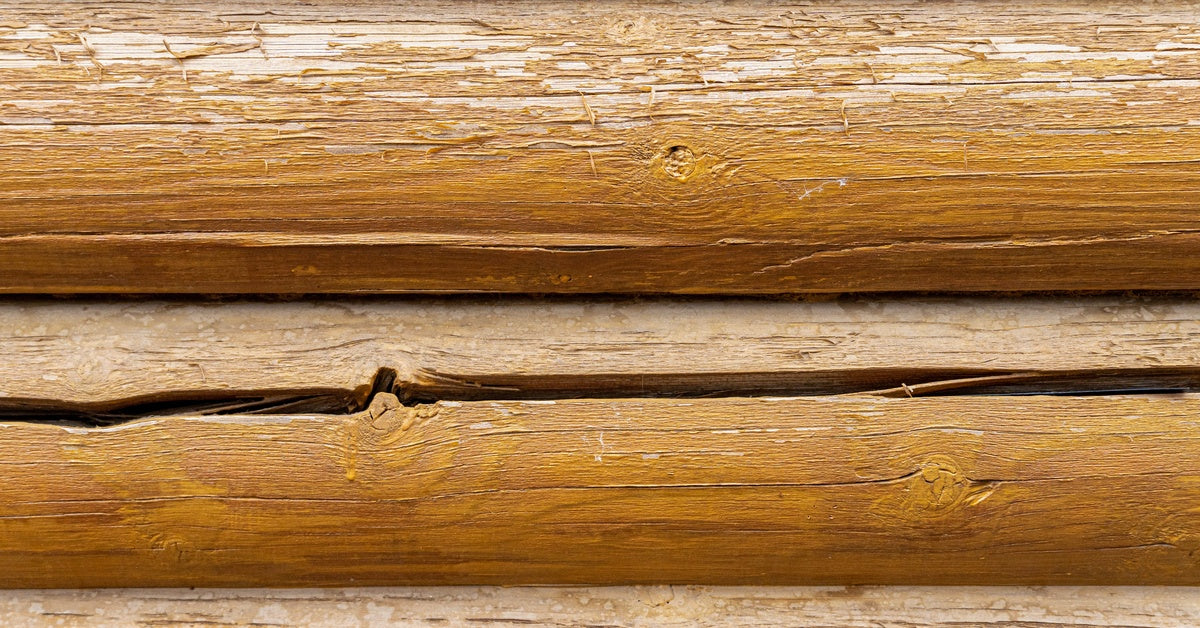
"Checks" are those cracks you see running along the grain of the logs. They’re totally natural and happen as the wood dries. Usually, they aren't a structural problem at all. But, if a check is facing upward—meaning the opening is on the top side of the log—it becomes a little bucket that catches rain. Water sits in that crack, soaks deep into the heart of the log, and starts rotting it from the inside out.
The Fix
You need to seal those specific checks. You don't have to seal every single crack in the house, just the ones that can catch water. Use a high-quality caulk or sealant designed for log homes. Don't use the cheap stuff from the big box store because it won't stretch when the logs move. Backer rod is helpful too; it’s a foam strip you stuff in the crack first so you don't waste a ton of caulk.
Managing UV Damage
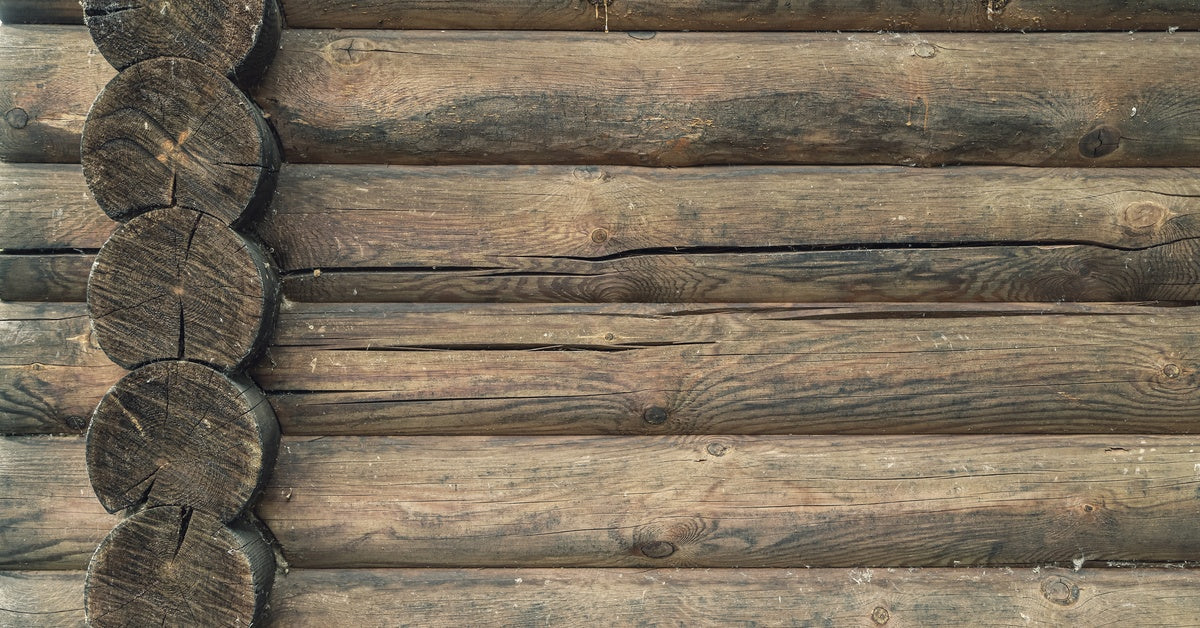
The sun is tough on wood. Just like your skin gets burned if you stay out at the beach too long without protection, your logs get "sunburn" too. UV rays break down the lignin in the wood, which is the glue holding the fibers together. Over time, the wood turns gray and the surface fibers start to detach. This is why you see that fuzzy texture on old, neglected cabins.
The Fix
Re-apply a maintenance coat of stain every few years, especially on the south and west walls that get the most sun. Look for stains with UV inhibitors. As a rule of thumb, darker colored stains are better at blocking UV rays than lighter, less pigmented ones.
If your wood has already gone gray, you’ll need to clean it and maybe even corn blast or sand it down to fresh wood before you stain it again.
Fighting Mold and Mildew

If your cabin is in a shady spot or you live in a humid area, mold and mildew are going to try to move in. They look like little black spots on the surface of the stain. Not only do they look bad, but they can eventually eat through the finish and damage the wood underneath.
The Fix
Wash your house once a year. A gentle wash with a log cleaner can knock back the mold spores before they take hold. Don't go crazy with a high-pressure power washer though, because you can tear up the wood fibers. A garden hose and a soft brush are usually enough.
Keeping bushes and trees trimmed back away from the house helps a ton too, because it lets the wind flow through and dry things out.
Keeping Your Home Beautiful
Taking care of a log home is definitely a labor of love, but it’s worth it when you see that golden wood glowing in the sunset. You don't have to be a professional builder to keep things in shape; you just have to pay attention.
We hope this guide on how to avoid common issues with log cabin homes helps you feel more confident about your maintenance routine. If you want to care for your log cabin home to the best of your ability, shop at Timeless Woodcare Products for affordable, high-quality supplies. Our log home exterior finishes protect your logs from the elements while bringing out the color in the wood for a beautiful, durable exterior that boosts your curb appeal. Shop them, as well as our insecticides, sealants, and preservatives, today